One painting is worth 1000 stories
Introduction
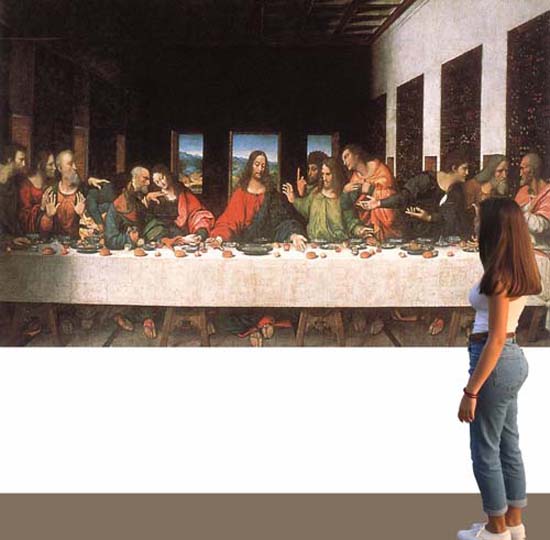
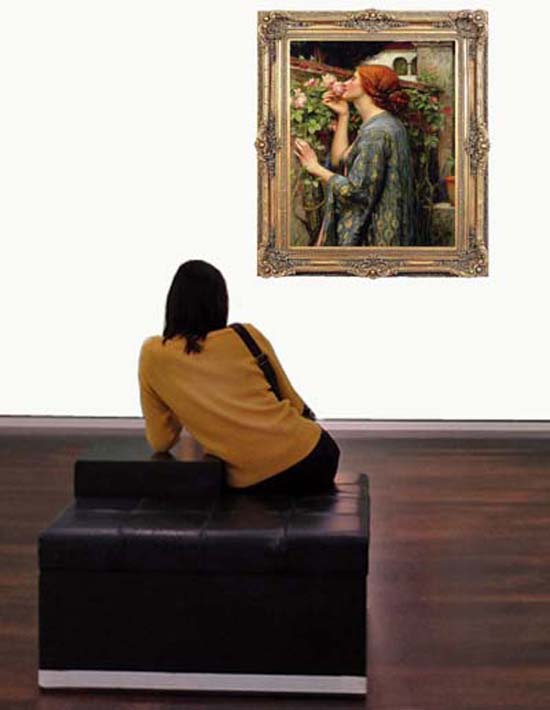
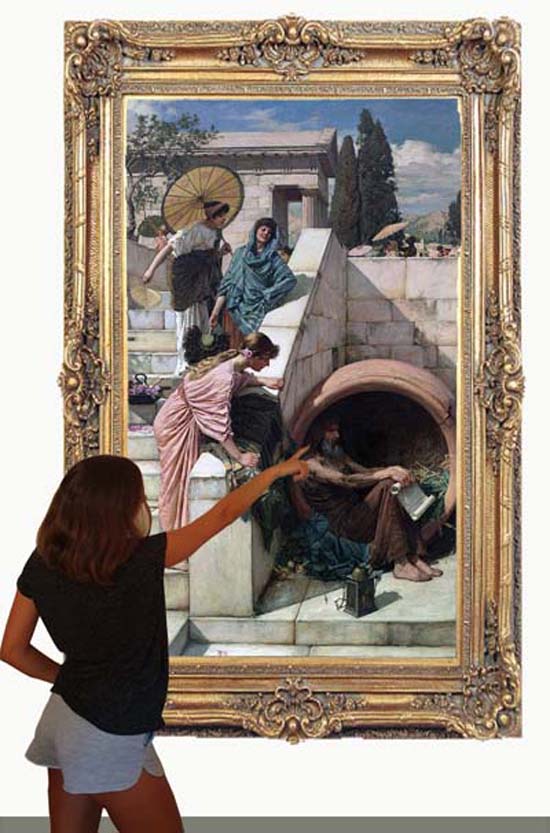
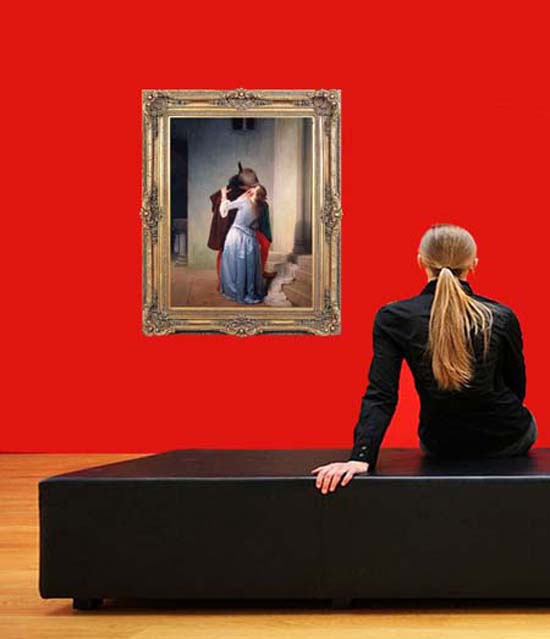
Have you ever been to a museum and been captured by a particular painting? Felt like touching it, establishing a contact in order to discover what you might learn from it? What ideas, insights, or questions sprang to your mind? A single two-surfaced composition can be a source of inspiration and it has been so for many writers who expanded their initial attraction into a well-developed story that captured the attention of a multitude of readers.Why only them? Couldn’t also you be able to do like them and write a story after a painting that stimulated in you a particular reaction? The philosopher and novelist Umberto Eco wrote in Lector in Fabula1about the interpretative cooperation between writer and reader and he stated that once a writer publishes a novel a reader is allowed to complete and interpret it according to his/her own personal experience. So, it becomes a collaborative creation. The same could be said about a painting; if you see something in it that the artist did not imagine at the time, it could be added to its value as a work of art that inspires reflection and change. The purpose of this book is twofold: first of all, it’s a reflection on what is at the heart of a creative writing process, facing a number of simultaneous constraints that characterize from the inset the dynamics of composing. There will be an analysis of the archetypal plots and characters that are found in a short story and an investigation in the working of the creative mind of a young adult.
Secondly, it will be a practical guide on how to write a short story based on a painting from the past. You will be taken by the hand and guided into a journey that will allow you to write a short story about a painting that you consider special, particularly inspiring, that captured your curiosity and heart. There are really two different kinds of stories. There is the art form, “short stories,” which comes complete with characters, plot, description, and style. Then there’s the story, the amusing, unusual story you would tell a friend. The story and the short story are not the same thing. The former is just a story, we tell them all the time. The latter is an art.
In the first part there will be an introduction to the literary genre Short Story, followed by how to motivate would-be writers to be active participants in a learning process and how to interact creatively with a painting.
There will be the results of an analysis on the use of creative imagination in young writers, their preferred fictional archetypes, the way they connect their imaginary world to their real life and feelings, and their use of the elemental masculine and feminine principles in the construction of their stories. Then you’ll be guided step by step through the creative process of writing a short story. If you think about it as a single act you might be discouraged, as it is not in itself a simple and immediate process. But as are introduced gradually through the stages of the creative process, you will find it achievable and you should be able to complete each of its stages.
There will be practical examples from students who underwent the same experience, at first doubtful of their own abilities to create something original and inspiring, but with the appropriate support, they managed to overcome the obstacles, learn something more about the writing process, and not only that, and eventually acquire some expertise in this field. This was made it possible also thanks to a straightforward pragmatic approach, based on a logical analysis and an inner trigger that an outside element, such as a painting, could stimulate as a starting point in an internal journey.
In the fourth part of this book you’ll find a collection of short stories written by teenagers about paintings that are considered works of art representative of our age. What is interesting is that one single painting has inspired many tales, fiction and facts have been intermingled in such a way that after reading these stories you will not be any longer sure of which is real and which is just over imposed fiction.